
Company
Iconscout
My Role
Lead Visual Design
Responsabilities
Overview
As a Visual Designer, I was tasked with creating comprehensive social media and marketing visual design guidelines to establish a cohesive and recognizable brand presence. The objective was to streamline the design process, maintain consistency across diverse platforms, and enable teams to produce visually engaging content that resonated with the audience. These guidelines covered various aspects, including typography, color palettes, imagery, layouts, and tone of voice.
Initial Challenges
The project came with its own set of challenges:
Inconsistent Branding: Existing designs varied significantly across platforms, leading to a fragmented brand identity.
Diverse Content Types: The need to accommodate a wide range of content formats, from static posts and videos to stories and ads.
Team Alignment: Ensuring that multiple teams, including designers, marketers, and external agencies, adhered to the new guidelines.
Scalability: Developing a system flexible enough to evolve with the brand’s growth and changing marketing strategies.
Research & Brand Immersion
The foundation of the guidelines was built through meticulous research and brand immersion:
Brand Audit: Conducted a thorough review of existing social media and marketing materials to identify inconsistencies and areas for improvement.
Audience Analysis: Analyzed the preferences, behaviors, and expectations of the target audience to inform visual and tonal decisions.
Platform Research: Studied best practices and trends across key social media platforms to tailor designs for maximum engagement.
Stakeholder Collaboration: Engaged with cross-functional teams to understand their requirements and challenges, ensuring the guidelines addressed real-world needs.
Execution & Strategy
The development of the visual design guidelines followed a structured approach:
Defining Core Elements:
Typography: Selected typefaces that balanced readability with brand personality, specifying usage for headlines, body text, and captions.
Color Palette: Created a primary and secondary color palette, with guidelines for combinations and accessibility.
Imagery: Established criteria for selecting and editing images, including style, tone, and composition.
Creating Templates and Layouts:
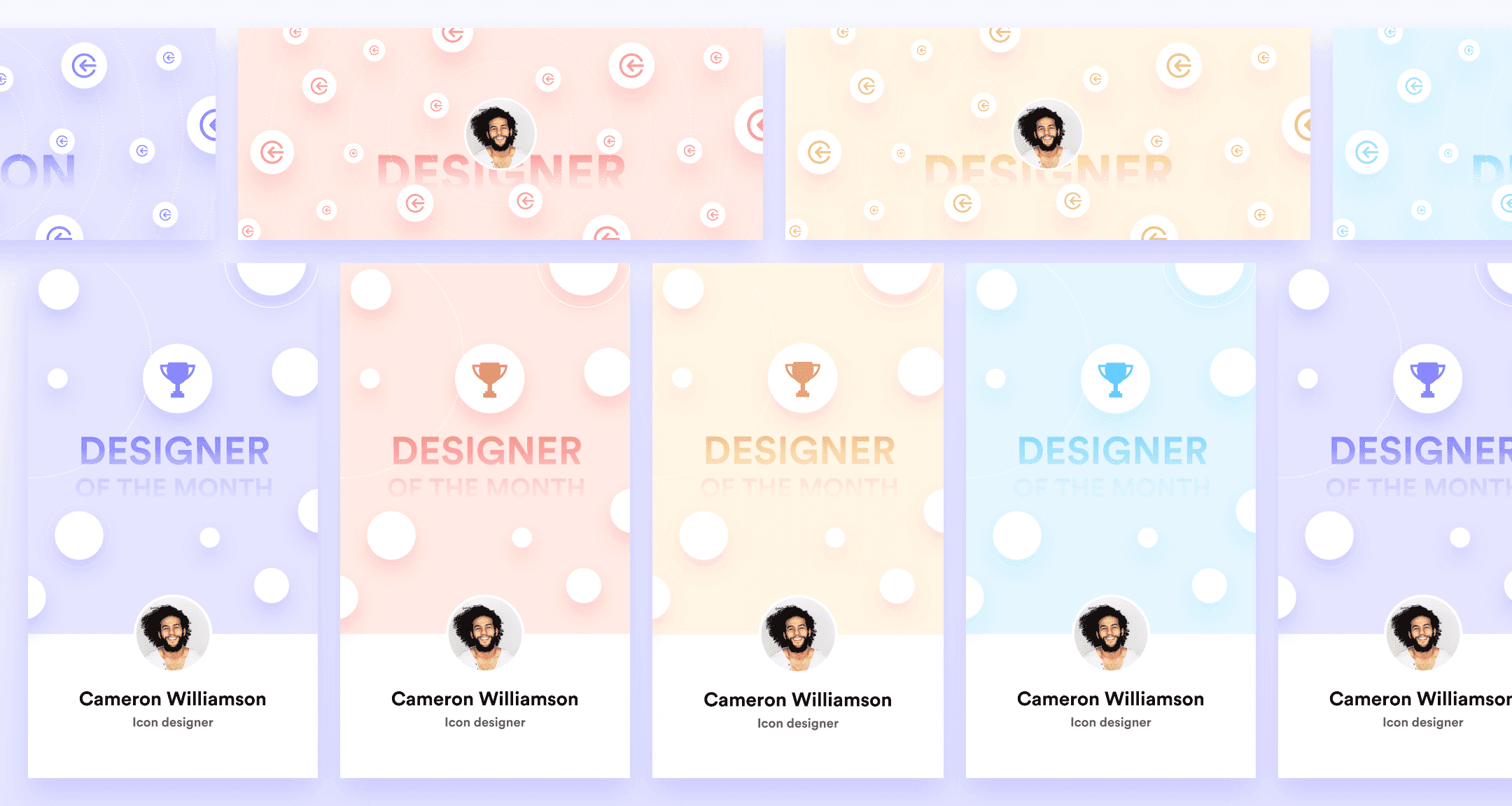
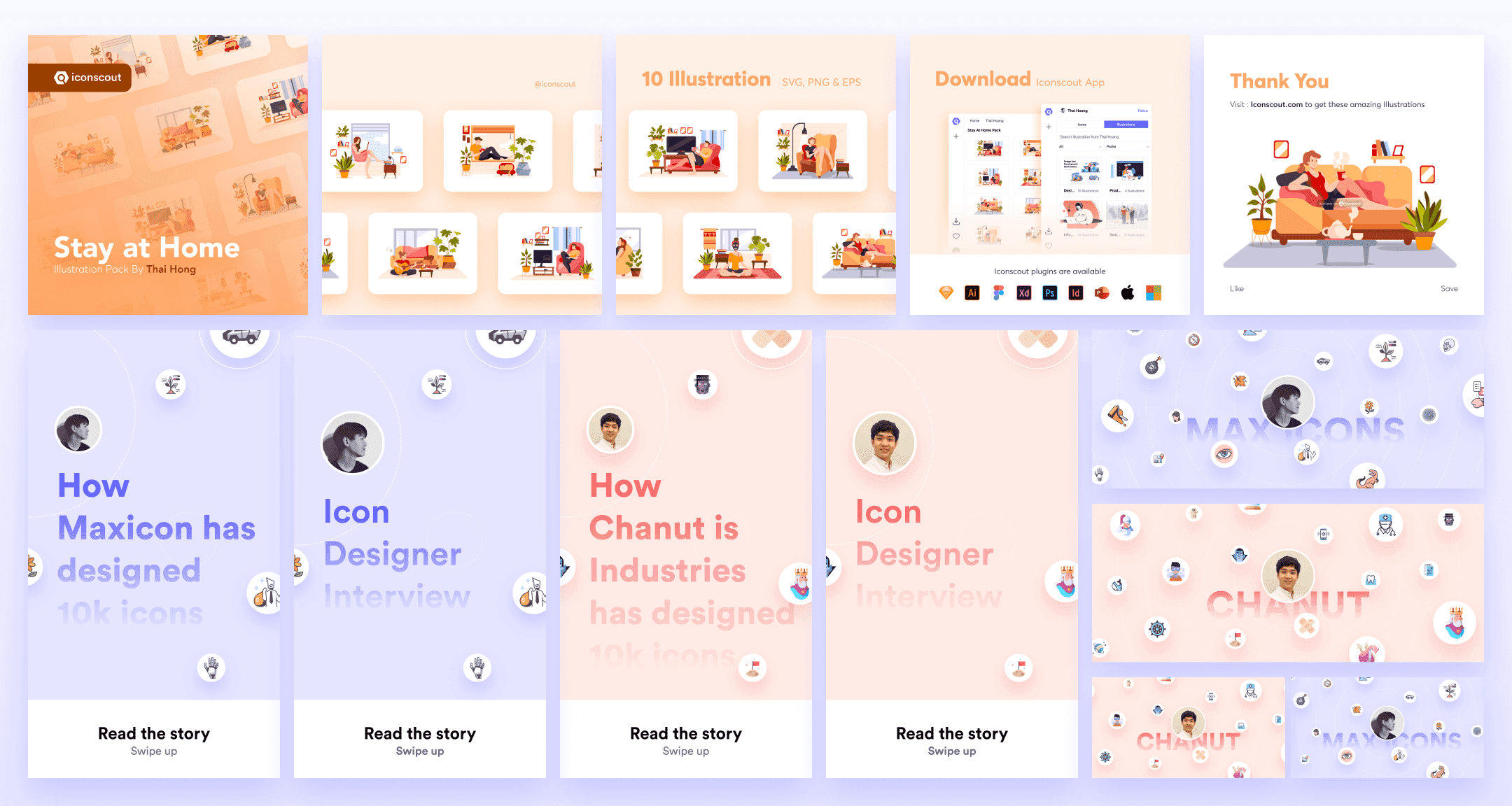
Designed reusable templates for posts, stories, ads, and banners, ensuring consistency across different content types.
Developed layout grids and spacing rules to maintain visual harmony.
Establishing Tone of Voice:
Defined a consistent tone of voice for captions and messaging, aligned with the brand’s personality.
Provided examples of effective copywriting for different scenarios, such as promotions, announcements, and user engagement.
Documentation and Training:
Compiled all elements into a comprehensive visual design guidelines document, accessible to all teams.
Conducted workshops and training sessions to familiarize stakeholders with the new guidelines.
The Impact
The project came with its own set of challenges:
Inconsistent Branding: Existing designs varied significantly across platforms, leading to a fragmented brand identity.
Diverse Content Types: The need to accommodate a wide range of content formats, from static posts and videos to stories and ads.
Team Alignment: Ensuring that multiple teams, including designers, marketers, and external agencies, adhered to the new guidelines.
Scalability: Developing a system flexible enough to evolve with the brand’s growth and changing marketing strategies.